

Japan is rare. Safe, efficient and endlessly fascinating, it's a destination that works hard for the curriculum while quietly transforming students.
More importantly, it turns theory into lived experience. Geography becomes visible. Art becomes tactile. Business studies becomes real. Culture stops being abstract and starts making sense.
Planning a school trip means juggling learning objectives, safeguarding, budgets and behaviour management (often all at once). Japan rewards all that effort (and then some). Students are engaged. Teachers see clear curriculum outcomes. And learning sticks.
Below, we explore how school trips to Japan support different subjects across key stages, drawing on our school travel specialists’ expertise and first-hand insight.
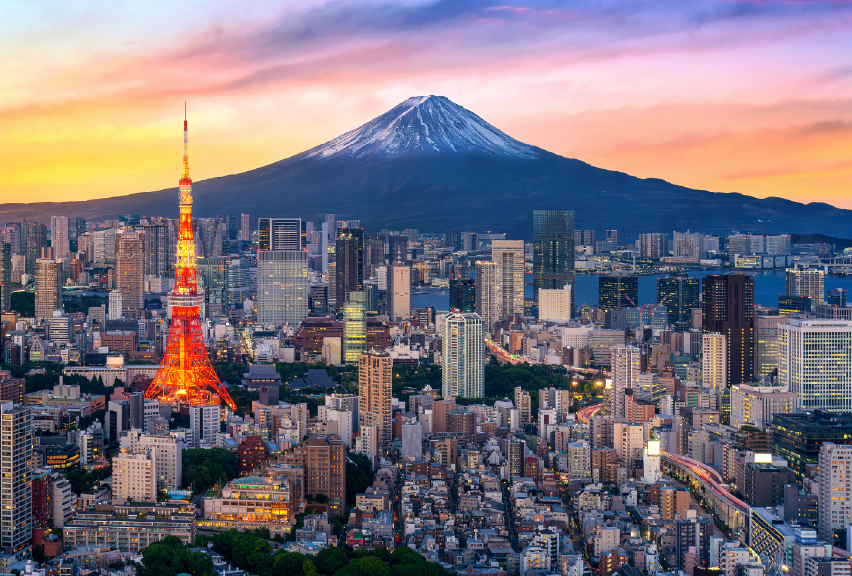
Geography: hazards, urbanisation and global interdependence
Japan is an absolute gift to geography teachers. It sits on complex plate boundaries, manages extreme natural hazards and balances hyper-dense cities with fragile rural regions.
Our school geography trip to Japan is built around these themes.
Curriculum relevance:
- Key stage 2: Human and physical geography. Contrasting environments. Settlement and land use.
- Key Stage 3: Plate tectonics. Natural hazards. Population distribution and urbanisation.
- GCSE: Earthquakes and tsunamis. Risk management. Economic development.
- A Level: Hazard perception. Governance. Place studies and regeneration.
Key sites and activities:
- Tokyo’s urban landscape as a case study in high-density planning.
- Earthquake and disaster preparedness centres.
- Regeneration and recovery case studies in regions affected by the 2011 earthquake and tsunami.
Learning outcomes:
- Understand tectonic processes through real-world examples.
- Analyse how governments manage risk and recovery.
- Evaluate how people adapt to extreme environments.
As you know, Japan sits on the Pacific Ring of Fire, and so this is a country that lives with the daily threat of natural hazards like earthquakes, tsunamis and volcanic eruptions.
So, a visit to the Rinkai Disaster Prevention Park is unmissable on an educational tour to Japan, because here you’ll find out how Tokyo prepares for these risks (including everything from educating the population to evacuation planning and designing resilient infrastructure).
You’ll also be able to visit Fukushima. As a site profoundly shaped by the 2011 Great East Japan Earthquake, tsunami and nuclear disaster, it provides opportunities to study natural disasters, environmental recovery, human resilience and the ethical questions surrounding nuclear energy.
You’ll see a mix of beautiful, rural coastal views with the visible scars of the 2011 disaster. It’s a landscape that tells a story of resilience, innovation and rebranding. It brings textbook geography to life. Visits here include:
- The Great East Japan Earthquake and Nuclear Disaster Memorial Museum, a moving and informative experience that provides a comprehensive look at the events of 2011 and the ongoing recovery.
- TEPCO Decommissioning Archive Centre, where your group can engage with the technical and ethical aspects of nuclear disaster response and environmental cleanup.
Students have a rare opportunity to see first-hand the wide-reaching impacts of the disaster, as well as the inspiring efforts around community rebuilding, rebranding and revitalisation. It’s an environment that also fosters empathy, critical thinking and a deeper understanding of real-world resilience. Students can learn about the processes of evacuation, environmental recovery and long-term community transformation.
Fukushima ties into the curriculum, whether studying natural hazards, disaster management, nuclear science or environmental recovery. Beyond textbook learning, it delivers resilience-building and global awareness. The infrastructure is well-established for group travel, and Japan’s renowned safety, efficiency and hospitality make logistics easy.
While students will explore serious themes around natural disasters and recovery, they’ll also experience the culture and innovation that defines the region’s future. From picking strawberries and tomatoes on revitalised farms to trying on traditional samurai helmets, students won’t just study the impacts of the earthquake and tsunami, they’ll also connect with Japanese culture, history, and see first-hand the cutting-edge technological developments helping to shape the region’s revitalisation.
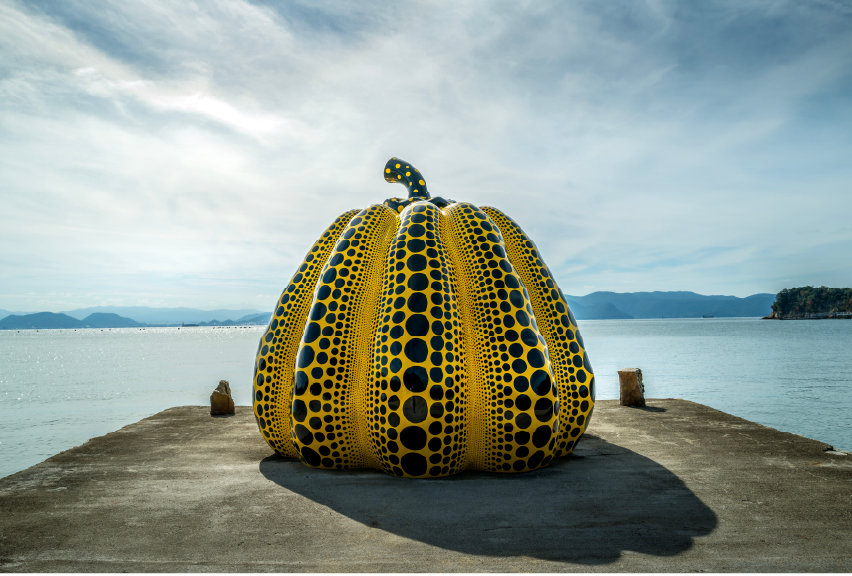
Art: tradition, technique and contemporary creativity
Japan’s visual culture rewards slow looking. From centuries-old craft to cutting-edge design, it helps students understand how culture, belief and environment shape art.
Our school art trip to Tokyo is carefully planned to avoid overload (a real concern when students are surrounded by visual stimulus).
Curriculum relevance:
- Key Stage 3: Cultural context. Pattern, form and symbolism.
- GCSE: Artist research. Material processes. Visual analysis.
- A Level: Critical engagement with tradition versus modernity.
Key sites and activities:
- Museums and galleries showcasing traditional and contemporary Japanese art.
- Architecture studies across old and new Tokyo.
- Workshops exploring craft techniques and design principles.
Learning outcomes:
- Analyse how cultural context informs artistic practice.
- Develop visual literacy through first-hand observation.
- Build meaningful sketchbook and portfolio work.
Your students aren’t just ticking off galleries (although, there’s no shortage of those). They’re experiencing art in ways that directly enrich the curriculum and spark creative development.
For example, a visit to the Mori Art Museum exposes students to contemporary voices from Japan and the wider Asia Pacific region, helping them compare artistic intentions, techniques and cultural context as required in GCSE and A Level.
Exploring the National Art Centre (with its vast rotating exhibitions) invites students to consider how curators shape meaning and narrative (which is an excellent prompt for sketchbook annotation and critical commentary).
In Asakusa, looking at ornate temple architecture and decorative motifs lets students see how traditional aesthetics inform pattern, form and symbolism. A kimono-wearing experience isn’t just a cultural activity, it’s a chance to analyse textile design, line and colour in real life, then reflect on these choices in coursework and visual responses. While visits to places like Hakone Open-Air Museum place sculpture, form and space within landscape, prompting students to think about installation art and site-specific work in a way textbooks can’t fully capture.
Perhaps the most striking is the digital art experience at teamLab, where immersive, interactive installations show students the intersection of art, technology and audience participation. That supports Key Stage 3 and GCSE aims around experimentation and evaluating creative choices, while also encouraging students to think about how new media expands what art can be.
These experiences help students build confidence in observing, discussing and creating art. They see how historical and contemporary practices sit side-by-side, and they leave with richer vocabularies and deeper curiosity (the very kinds of development the curriculum encourages).
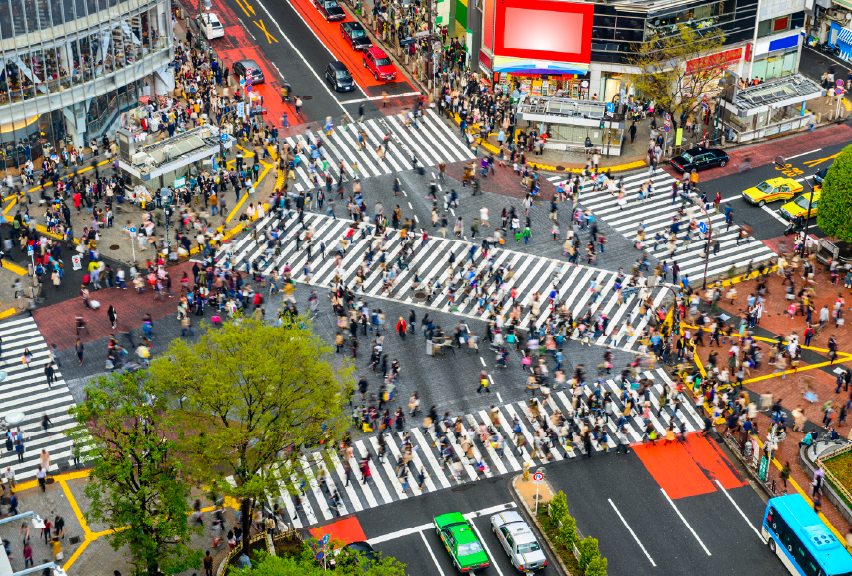
Business studies: innovation, ethics and global markets
Japan offers a powerful counterpoint to Western business models. Long-term thinking. Corporate responsibility. Precision and process.
Our school business studies trip to Tokyo uses the city as a living classroom.
Curriculum relevance:
- GCSE: Enterprise. Production. Marketing.
- A Level: Globalisation. Business ethics. Operations management.
Key sites and activities:
- Company visits and economic districts.
- Case studies on recovery, resilience and innovation.
- Cultural insight into workplace norms and decision-making.
Learning outcomes:
- Understand how culture shapes business behaviour.
- Evaluate different approaches to management and growth.
- Apply theory to real organisations in a global context.
On a business studies trip, your students will go beyond the theory and see how big business really works in one of the world’s most dynamic economies. Tokyo is home to household names and global innovators (from Toyota to Sony), so the activities you choose can directly support key parts of the business curriculum while building real-world skills and confidence.
A guided visit to the Tokyo Stock Exchange shows students how financial markets operate. Standing where traders work (and taking part in a stock-trading simulation) helps GCSE and A Level learners understand supply and demand, market behaviour and risk in a way that textbooks just can’t replicate. With numbers on screens and real-world context, students can relate classroom concepts like investment, financial decision-making and economic indicators to something tangible.
The Toyota Commemorative Museum of Industry and Technology provides a rich case study in business growth, operations and innovation. Students trace Toyota’s journey from textile machinery to global automotive leader, making clear links to curriculum themes such as production methods, economies of scale, research and development, and continuous improvement. The museum’s focus on problem-solving and efficiency supports understanding of operations management, while its historical context encourages students to think critically about how businesses evolve over time.
At the Toyota Kaikan Museum, students explore current and future technologies, including sustainable transport and automation. This supports learning around corporate social responsibility, environmental impact and the role of innovation in maintaining competitiveness.
Visiting commercial districts, such as Ginza and Akihabara, then allows students to observe branding, pricing and consumer behaviour first-hand, reinforcing key concepts around market positioning and globalisation. Together, these experiences help students to see how business theory plays out in one of the world’s most influential economies, building confidence, curiosity and real-world understanding.
General and cultural: language, identity and global citizenship
Some trips don’t fit neatly into one subject (and that’s their strength). A general cultural trip supports personal development as much as academic study.
Curriculum relevance:
- Key Stages 2 and 3: Cultural understanding. Respect and tolerance.
- GCSE and A Level: Global citizenship. Social structures. Independent learning.
Key sites and activities:
- Cultural districts, temples and everyday neighbourhoods.
- Food culture and etiquette experiences.
- Opportunities to practise independence in a safe setting.
Learning outcomes:
- Build cultural awareness and empathy.
- Develop confidence and independence.
- Make meaningful connections between classroom learning and the wider world.
Here, the learning isn’t confined to textbook links. It’s about students living global citizenship, widening their perspectives and deepening their intercultural understanding in ways that stay with them long after the trip ends. Japan’s blend of tradition and modernity provides a backdrop where young people can reflect on difference, empathy and shared humanity while building the resilience and responsibility that come with independent travel.
Exploring vibrant neighbourhoods like Asakusa and Shibuya places students in everyday cultural settings where customs, language and social norms feel distinct yet accessible. Visits to significant cultural sites like Meiji Jingu Shrine encourage quiet observation and reflection, helping students understand how belief systems, rituals and heritage shape daily life. These experiences support curriculum aims around respect, tolerance and cultural awareness, particularly within PSHE and citizenship frameworks.
A visit to the Samurai Ninja Museum introduces students to Japan’s feudal history in an engaging, accessible way, helping them explore ideas of identity, honour and social structure. A kimono-wearing experience allows students to engage directly with traditional dress, prompting discussion around symbolism, craftmanship and cultural continuity.
Excursions to Nara and Osaka Castle deepen this understanding further, and also show students how history, religion and architecture continue to shape modern Japanese society.
And in Hiroshima, students encounter powerful narratives around peace, remembrance and reconciliation, supporting the development of empathy and ethical awareness.
Alongside this cultural learning, students grow personally every day. Navigating public transport, managing time in unfamiliar settings and supporting one another in a new environment all help develop confidence, resilience and independence. By the end of the trip, students don’t just understand global citizenship in theory. They’ve practised it, reflected on it and begun to carry it forward into their everyday lives.
Why Japan works for school groups
Japan consistently proves itself as a destination where high expectations meet high support. For school groups, that combination matters. Transport is punctual and easy to navigate. Public spaces are clean, orderly and welcoming. Accommodation and attractions are well-practised in hosting young people. All of this reduces friction on the ground, which in turn frees teachers to focus on learning, rather than logistics.
Students respond to Japan’s culture of respect and responsibility. Behaviour expectations are clear and visible in everyday life, from queueing on platforms to shared public spaces. Groups quickly rise to that standard. Teachers often notice increased independence, self-regulation and mutual support within days of arrival. Those gains aren’t accidental; they’re shaped by the environment students are immersed in.
From a safeguarding perspective, Japan offers reassurance. It’s one of the safest countries in the world, with excellent infrastructure and clear systems in place. That matters when you’re responsible for students far from home. It also means students can practise independence in a controlled, supportive setting (navigating transport, managing time, taking responsibility for themselves and each other).
Crucially, Japan doesn’t ask you to choose between academic value and personal development. It delivers both, naturally and consistently. Serious curriculum content sits alongside moments of cultural exchange, reflection and growth. Students engage deeply, think critically and return more confident, more curious and more globally aware.
Educational tours to Japan work because they respect students as learners and young adults in the making. And they respect teachers too, by making the complex feel manageable and the ambitious feel achievable.
Next steps
When you plan a trip with us, you’re not doing it alone. Members of our team have visited Japan themselves. They’ve seen where you’ll stay. They’ve used public transport themselves. And they’ve enjoyed some of the visits and activities they’ll include in your itinerary. That means we can provide you with practical advice grounded in reality. It means we can anticipate challenges before they arise. And it means supporting you with confidence at every stage of the process.
If you’re exploring ideas, start by browsing our Japan destination page to compare subject-led and general itineraries. If you’re ready to start planning, get in touch and let us guide you through the details (from curriculum mapping and risk management to pacing, wellbeing and on-the-ground support).


