

The best geography trips combine clear curriculum value with memorable first-hand experiences and the kind of moments that make classroom learning stick.
Below, our travel experts have shared their top picks for each key stage. These are just a starting point, though, and we offer many more destinations that you can browse on our geography tours page.
The Best Geography Trips for Key Stage 3
At Key Stage 3, the aim is often to build curiosity, strengthen core geographical understanding and help students connect physical and human processes with the real world around them.
These destinations do exactly that.
North Devon
Curriculum links:
- Learn about coastal processes such as erosion, transportation and deposition, and the formation of landforms (e.g. stacks, arches, spits and sand dunes).
- Examine ecosystem dynamics and species adaptations.
- Evaluate human impacts and coastal management strategies at Westward Ho! and Braunton Burrows.
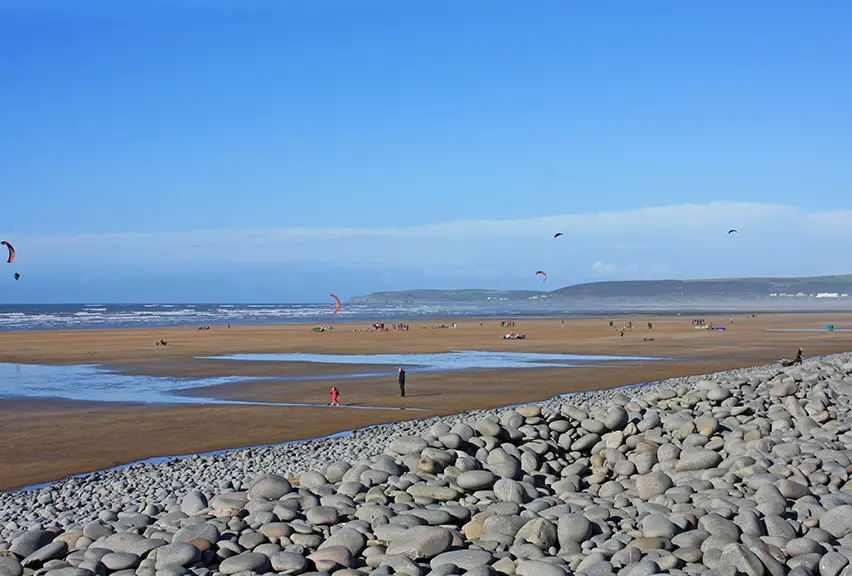
North Devon is one of the best destinations for Key Stage 3 students because it gives them a vivid, accessible introduction to coastal geography in a landscape where processes are easy to see and discuss. Students can explore coastal erosion, transportation and deposition in context, while also building their understanding of how landforms such as spits and sand dunes develop. It’s a destination that makes physical geography feel immediate and real.
There's a huge range of learning experiences on offer in North Devon. A visit to Hartland Quay gives students the chance to see dramatic coastal scenery and geological formations shaped over millions of years, while Westward Ho! and Pebble Ridge help bring coastal processes and landform formation to life in a setting they can observe first-hand.
A full-day visit to Braunton Burrows then adds another layer, allowing students to examine dune ecosystems, rare species and adaptation within one of Europe’s largest sand dune systems.
The itinerary also includes an Appledore Lookout walk, which helps students start engaging with the local coastal environment from day one, and a guided visit to Hinkley Point C Nuclear Power Station, which can open up wider discussion around energy sustainability and human interaction with the environment.
Westward Ho! is a small coastal settlement heavily shaped by tourism and its impacts, including seasonal population changes. The area also highlights conflicts between tourism and conservation, particularly in nearby Northam Burrows Country Park, where efforts are made to balance visitor access with environmental protection. Evidence of sustainable tourism can be seen through conservation initiatives and controlled development. Plus, students can study land use patterns, as well as coastal management strategies designed to reduce erosion and flooding.
Taken together, these activities make North Devon a strong Key Stage 3 choice because they combine clear curriculum relevance with memorable, hands-on learning.
Cornwall and the Eden Project
Curriculum links:
- Geological timescales.
- Rocks, weathering and soils.
- Hydrology and coasts.
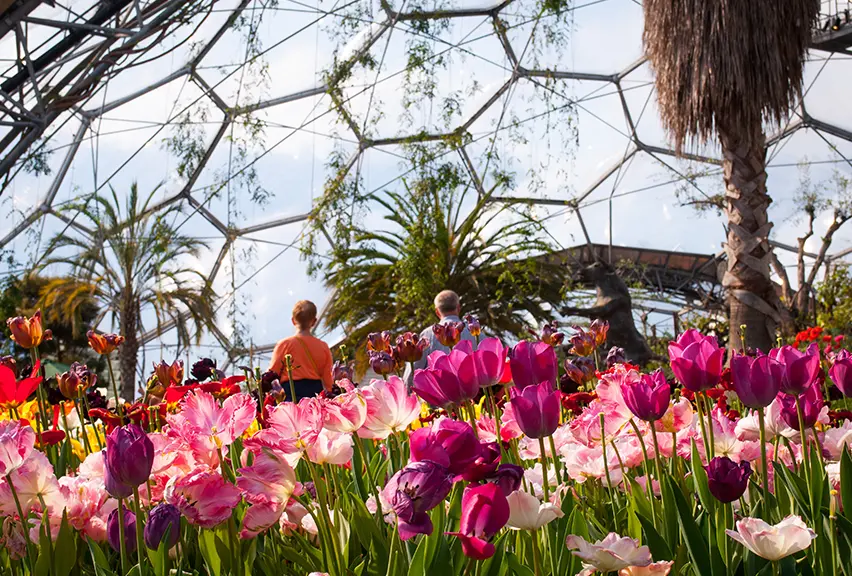
Cornwall and the Eden Project are an excellent choice for Key Stage 3 because they help students explore some of the building blocks of physical geography in a setting that feels both inspiring and accessible. This trip is designed to bring the curriculum to life through the diverse landscapes of Cornwall, with opportunities to investigate coastal landforms, river landforms, limestone scenery, ecosystems and sustainability within a real-world context.
The variety of locations and learning experiences included here is what makes this trip so special. Students can explore Wookey Hole Caves, visit St. Michael’s Mount, and head to Lizard Point (the southernmost point of the British mainland) as part of the suggested itinerary, before spending a full day at the Eden Project.
Alongside that, activities such as Hayle Towans (a sand dune ecosystem) and the Suez Recycling Centre (which adds another useful dimension around sustainability and waste management) offer some brilliant educational opportunities.
For Key Stage 3 students, that mix works brilliantly. It supports learning around geological timescales, rocks, weathering and soils, and hydrology and coasts, while giving students a clear sense of how physical landscapes, environmental systems and human decisions connect. It’s a trip with real range, which makes it easier for younger students to stay engaged and easier for teachers to link each experience back to the curriculum.
Massif Central
Curriculum links:
- Geological timescales and plate tectonics.
- Rocks, weathering and soils.
- Weather and climate.
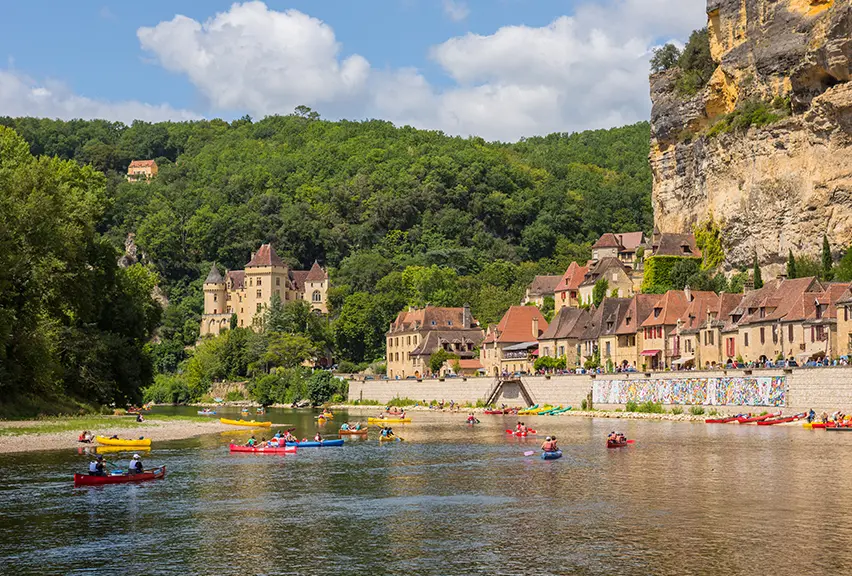
For Key Stage 3 students ready to broaden their horizons, Massif Central is a standout choice. It introduces them to powerful geological processes in a landscape that feels distinctive, dramatic and full of discovery. This is a destination where students can start to make sense of geological timescales and plate tectonics, while also building their understanding of rocks, weathering and soils and developing a stronger feel for weather and climate in a real-world setting.
What makes the trip especially effective is the way the activities bring those themes to life. Students can spend time at Vulcania Theme Park (with the option of a workshop on the volcanoes of the Auvergne) and head up Puy de Dôme to explore one of the youngest volcanoes in the region and enjoy the wide views from the summit that help them appreciate the scale and shape of the volcanic landscape.
The trip also adds depth through experiences such as the Padirac Caves boat tour, where students can see the results of erosion in a dramatic underground environment of caves, rivers and lakes. Depending on the final itinerary, there are also opportunities to connect geography to energy and human use of the landscape through a visit to Bort-les-Orgues Hydroelectric Dam on the Dordogne.
Together, those experiences make Massif Central a brilliant Key Stage 3 choice because they help students see geography as something dynamic, interconnected and vividly real.
The Best Geography Trips for GCSE
At GCSE, students need more destinations that support more detailed case study knowledge, sharper analytical thinking and meaningful fieldwork. They’re expected to explain processes, assess impacts and engage with management strategies. These trips are well-suited to that step up.
Naples and Sorrento
Curriculum links:
- Coastal processes and landforms, including erosion, transportation, deposition and distinctive coastal features.
- Coastal management, including human impacts on coasts and protection schemes.
- Plate tectonics, hazards and management, including theory, living alongside hazards in developed countries and monitoring, prediction and protection at plate boundaries.
- Fieldwork opportunities.
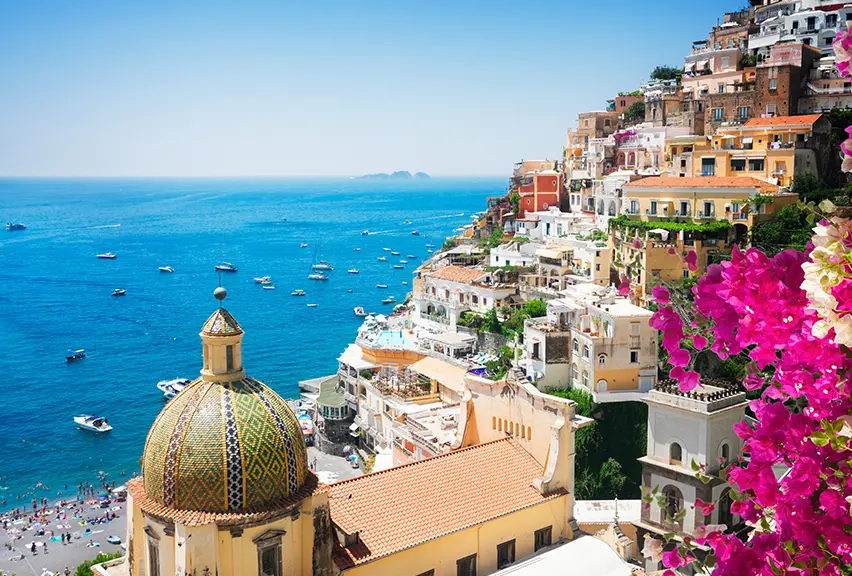
Naples and Sorrento are a strong choice for GCSE geography students because they combine tectonics and coastal geography in one rich, varied study setting. Around the Bay of Naples, students can explore dramatic volcanic landscapes and see how physical processes have shaped both the environment and the lives of the people who live there. The area also works brilliantly for studying coastal and rural environments, with plenty of scope to examine tourism and human impact too.
The itinerary turns big GCSE topics into real, observable case studies. A visit to Vesuvius National Park or the Phlegraean Fields brings plate tectonics and volcanic hazards into sharp focus, while time at Pompeii helps students think more deeply about the effects of tectonic events on settlements and communities.
The coastal side of the course comes through just as strongly. A full-day visit to the Amalfi Coast (including Positano, Amalfi or the island of Capri) gives students an excellent opportunity to investigate distinctive coastal landscapes, alongside erosion, deposition and the pressures that tourism can place on fragile environments.
Activities (such as the Race for Time activity trail in Naples) also help students engage actively with their surroundings rather than simply passing through them.
For GCSE groups, that combination is hard to beat. Students can connect geomorphic processes, coastal landforms, human impact on coasts, plate tectonics and living alongside hazards in a developed country.
Iceland
Curriculum links:
- Physical processes and landforms, including erosion, transportation and deposition.
- Cold environments, including landscapes, and plant and animal adaptations.
- Economic activity and land use, including conflicts over resource use.
- Plate tectonics, hazards and management, including theory, living alongside hazards in developed countries and monitoring, prediction and protection at plate boundaries.
- Fieldwork opportunities.
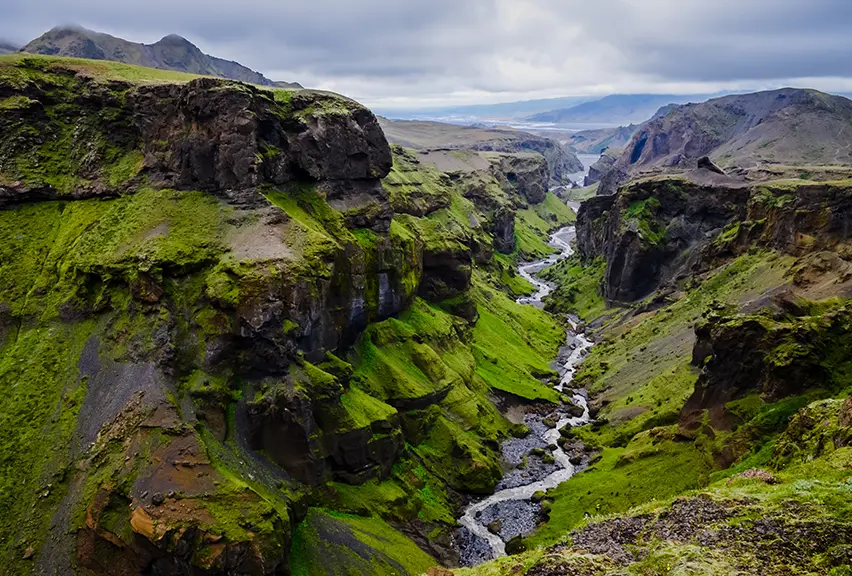
Iceland is one of the most powerful geography trip destinations for GCSE students because it feels like geography in motion. Few places give students such a clear view of the physical processes that shape landscapes, from volcanic activity and tectonic movement to waterfalls and dramatic coastal features.
It’s also an excellent setting for exploring cold environments, land use and the ways people live with and respond to natural hazards in a developed country.
On the Golden Circle, students can visit Kerið Crater, Gullfoss, Great Geysir and Thingvellir National Park – a combination that helps bring together tectonic activity, geothermal processes, erosion and wider landform development.
A tour of the Reykjanes Peninsula adds even more geographical interest early on, with places such as the Bridge Between Continents and Gunnuhver Hot Springs helping students see Iceland’s dynamic landscape from the outset.
The South Shore Adventure adds another strong layer of learning. Visits to Seljalandsfoss, Skógafoss, Sólheimajökull, Dyrhólaey and Reynisfjara Beach give students the chance to observe physical processes and striking landforms first-hand, while the LAVA Centre helps them understand volcanic activity, earthquakes and the management of tectonic hazards. Places such as Hellisheidi Geothermal Power Station and the Lava Tunnel Raufarholshellir also open up useful discussion around energy, sustainability and how volcanic landscapes are formed.
For GCSE groups, Iceland supports learning around physical processes affecting land formation, erosion, transportation and deposition, cold environments, plant and animal adaptations, fieldwork, plate tectonics theory and living alongside hazards in developed countries – all in a destination that’s vivid, challenging and unforgettable.
Morocco and the Sahara
Curriculum links:
- Ecosystems and biodiversity, including characteristics, flora and fauna adaptations, and the role of water and carbon cycles.
- Dryland environments, including the features and challenges of deserts.
- River processes and landforms, including erosion, transportation, deposition and fluvial features.
- Coastal and landscape processes, including physical processes shaping landforms.
- Plate tectonics, including theory, characteristics of plate boundaries, and the impacts of earthquakes.
- Resource management, including water security and sustainable use.
- Fieldwork opportunities.
Morocco and the Sahara are a brilliant choice for GCSE geography students because they immerse students in a landscape that feels completely different from the environments they know at home. Students can experience the scale of the desert, see how water shapes life in challenging environments and explore the pressures that climate, resources and physical processes place on both people and landscapes.
On a geography trip to Morocco, the itinerary builds understanding through contrast. In Marrakesh’s Medina, students can begin by exploring a dense urban environment, before heading into the High Atlas to visit an argan oil co-operative, where they can start thinking about livelihoods, land use and local resource management. A visit to Aït Benhaddou then adds another dimension, showing how settlement, landscape and history are closely connected in southern Morocco. And the dramatic landscape near Ouarzazate attracts movie productions, boosting the rural economy and drawing tourists, who can also visit the local film studios while travelling through the area.
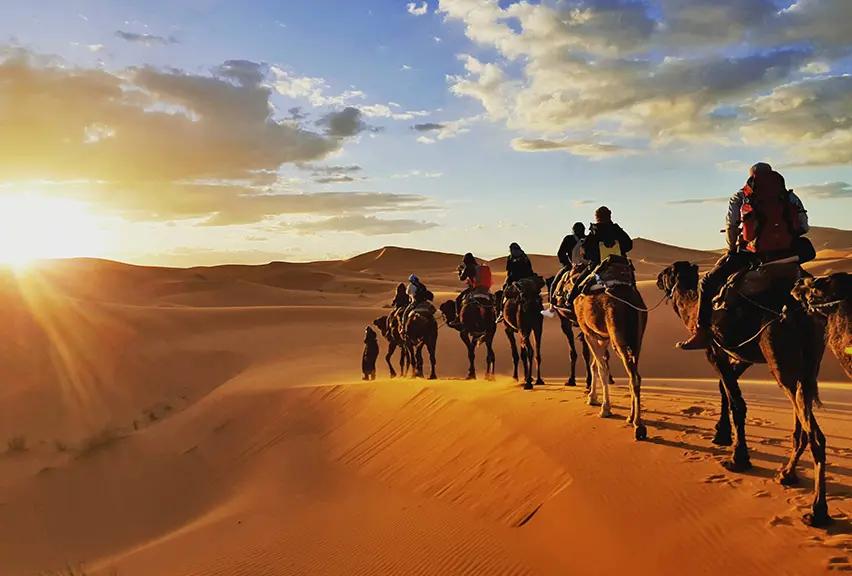
The physical geography becomes even more powerful as the trip moves south. In the Drâa River Valley, students can see how agriculture is made possible in an otherwise arid region, which opens up valuable discussion around water security, resource management and the role of river systems in dry environments. Then, with a camel ride into the Sahara and an overnight stay in a Bedouin camp, students experience desert landscapes first-hand.
There’s strong human geography, too. Visits to Tamagroute and villages such as Douar Oulad Elguern help students explore how communities adapt to extreme heat and changing environmental conditions, including the effects of climate change on rural populations, and the study of push and pull migration factors.
For GCSE groups, that makes Morocco and the Sahara especially valuable – it supports learning around ecosystems, biodiversity and adaptation, water and carbon cycles, drylands and deserts, physical processes affecting land formation, erosion, transportation and deposition, and fieldwork in physical environments.
The Best Geography Trips for A-Level
At A-Level, students need destinations that can support wider reading, independent thinking and deeper discussion. They’re engaging with geography in a more synoptic way now (linking people, place and process), and these destinations give them plenty to analyse.
Barcelona and the Costa Brava
Curriculum links:
- Ecosystems and biodiversity, including characteristics, flora and fauna adaptations, and impacts of climate change on biomes.
- Economic and social threats to ecosystems and strategies for sustainable resource management.
- The water cycle and its role in supporting ecosystems and human activity.
- Coastal landscapes, including littoral zone features, weathering, erosion, deposition, and coastal management strategies.
- Tourism and human impacts, including threats to the coastline and conflicts over land use.
- Fieldwork opportunities.
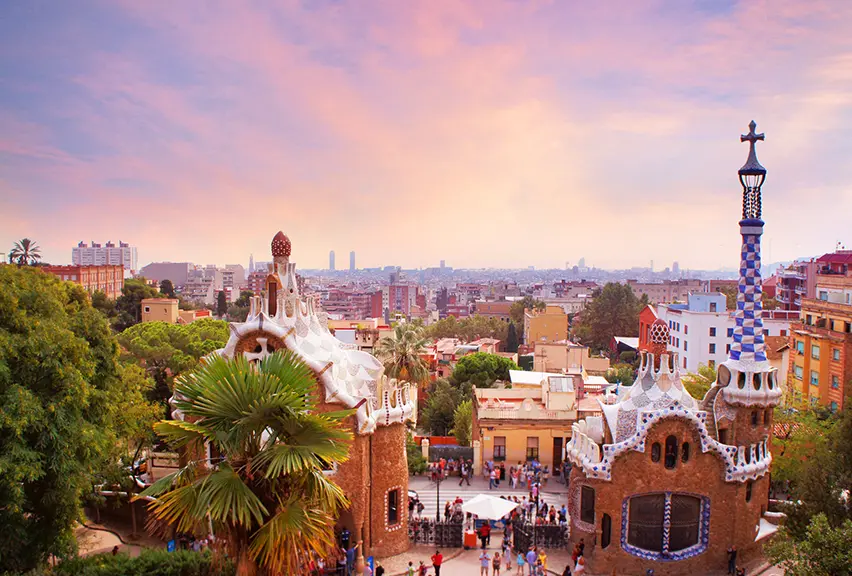
Barcelona and the Costa Brava is an outstanding choice for A-Level geography students because it offers real variety in a relatively compact area. Students can move between coastal environments, river landscapes, volcanic scenery and major urban spaces, which makes it much easier to draw links across physical and human geography.
That range is what makes the destination so effective at this level – it supports sharper comparison, deeper analysis and stronger synoptic thinking.
A Tordera river study in Montseny Natural Park gives students the chance to follow the river course and practise field skills while exploring how processes vary across the river valley. That’s a strong foundation for work on the water cycle, landscape systems and the interpretation of physical processes in the field. A day in La Garrotxa Volcanic Natural Park, followed by a visit to Sant Joan les Fonts to study basalt formed by solidified lava flow, adds another layer by helping students engage with landscape formation and the relationship between geology and topography.
The coastal side of the course comes through just as clearly. Along the Costa Brava, students can investigate beach management strategies and compare different approaches along the shoreline, while places such as Lloret de Mar open up valuable discussion around the impact of tourism on coastal environments. That makes the destination particularly useful for exploring coastal landscape systems, weathering, erosion and deposition, coastal management strategies and the tensions created when popular tourist destinations put extra pressure on fragile coastlines.
A visit to the Port of Barcelona helps students think about the ways major urban and coastal spaces are shaped by movement, development and economic activity, while the wider contrast between Barcelona and the natural landscapes beyond it encourages discussion around environmental pressure, sustainability and resource use.
For A-Level students, that makes Barcelona and the Costa Brava a destination that supports critical thinking and meaningful links between people, place and process.
Vietnam
Curriculum links:
- Coastal and river landscapes, including weathering, erosion, deposition, and features such as limestone karts, caves and lake systems.
- Ecosystems and biodiversity, including characteristics, flora and fauna adaptations, and the role of the water cycle.
- River catchment management, including case studies of physical and human interactions.
- Population, food production, and water security, including challenges to resources and environmental impacts.
- Global economic connections, including the role of TNCs, superpowers and access to markets.
Vietnam is a superb choice for A-Level geography students because it brings together physical geography, ecosystems and global development in one richly layered destination.
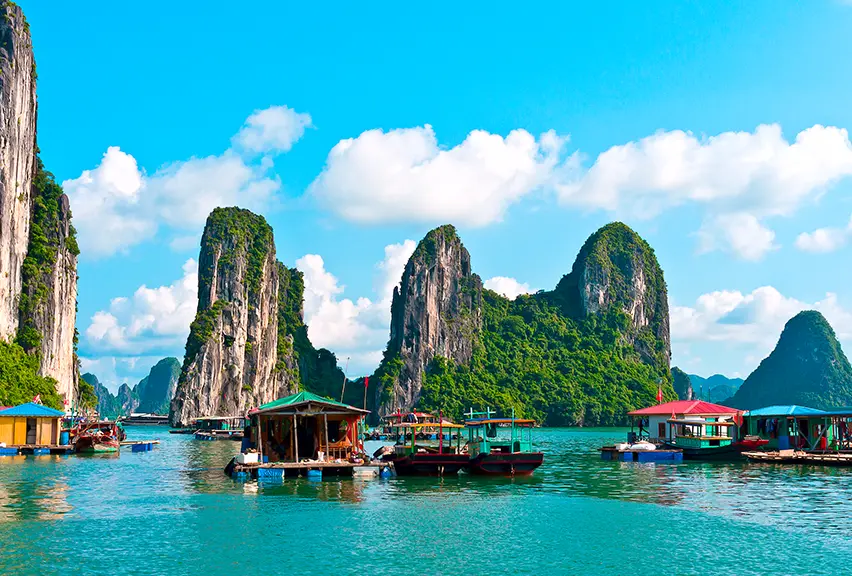
Over the course of the trip, students can move from urban Hanoi to the Red River Delta, limestone karst landscapes and the dramatic coastal scenery of Ha Long Bay, which makes it much easier to draw links across coastal landscape formations, weathering, erosion and deposition, geology, the water cycle and wider human geography.
Time in Hanoi gives students a strong sense of place and introduces them to a major capital shaped by history, rivers and urban growth. From there, a full-day excursion to Hoa Lu and a boat cruise at Trang An bring limestone caves and karst scenery into sharp focus, while a visit to Van Long eco-tourism area adds another useful layer around ecosystems and environmental management.
Seeing rice paddies on the journey through the Red River Delta farmlands helps students think about land use, food production and the relationship between people and water, while an overnight boat cruise in Ha Long Bay gives them the chance to experience one of the world’s most striking limestone seascapes first-hand. The bay’s karsts, islands, caves and grottoes make abstract classroom concepts far more tangible, which is exactly what you want from a field study destination.
There’s strong human geography here, too. Visits in and around Hanoi, alongside stops at local craft villages, help students explore how culture, economic activity and settlement patterns shape the landscape, while the contrast between city, delta and coast encourages more synoptic thinking across the course.
For A-Level groups, that makes Vietnam especially valuable: it’s a destination that supports river catchments, distinct ecosystems, biodiversity, world trade and access to markets, population and the environment, food production and security and water insecurity in a way that feels connected, memorable and full of analytical potential.
Japan
Curriculum links:
- Earth structure and plate tectonics, including seismic activity and different types of volcanoes and eruptions.
- Natural hazards and human responses, including managing tectonic hazards through monitoring and preparation.
- Urban growth and development, including environmental and social challenges and sustainable urban strategies.
- Global economic connections, including world trade, access to markets and the role of TNCs.
- Fieldwork opportunities.
Japan is a superb destination for A-Level geographers because it allows students to engage with major tectonic themes alongside contemporary urban issues. It’s academically ambitious and deeply memorable.
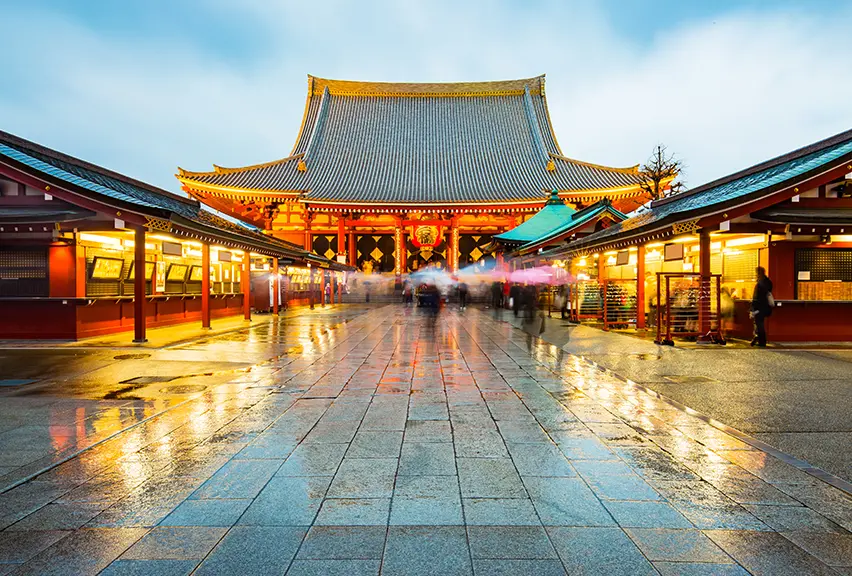
In Tokyo, students can explore major urban districts, such as Shinjuku, Shibuya, Asakusa and Odaiba, which give them plenty to think about in terms of urban growth and change, environmental pressure and the challenges of managing space, movement and infrastructure in a global city.
A visit to Miraikan (The National Museum of Emerging Science and Innovation) adds another useful dimension too, opening up wider discussion around technology, sustainability and the future of urban living.
The tectonics side of the course comes through just as strongly. At Tokyo Rinkai Disaster Prevention Park, students can see how a megacity prepares for earthquakes and other hazards, making ideas around prediction, forecasting and human responses to natural hazards feel far more immediate. Then, around Mount Fuji, places such as Oishi Park, Arakurayama Sengen Park and Oshino Hakkai help students engage directly with volcanic landscapes and the ways geology shapes both scenery and settlement.
What gives the trip real depth, though, is the time spent in Fukushima. Visits to the Great East Japan Earthquake and Nuclear Disaster Memorial Museum in Futaba and the TEPCO Decommissioning Archive Centre help students examine the long-term impacts of seismic events, nuclear risk, recovery and resilience with much greater nuance. Experiences such as a survivor workshop and a visit to Okuma Nexus Strawberry Farm also show how communities rebuild, adapt and plan for the future.
For A-Level students, that makes Japan an outstanding geography trip: one that supports Earth structure and plate tectonics, different types of volcanoes and volcanic eruptions, geohazards, human responses to natural hazards, sustainable urban development, world trade and access to markets, and fieldwork.
Next Steps
The best school trips don’t happen by accident. They’re shaped carefully, thoughtfully and purposefully. The destination matters, but so does the way the experience is built around your aims, your students and your curriculum.
That’s why we don’t do off-the-shelf trips at Halsbury. We work closely with you to understand your group, your teaching priorities and what you want your students to gain from the experience. Then we help you choose the right destination and design an itinerary that makes the most of it. That could mean building in case study relevance, balancing physical and human geography, and making sure the pace is right for your students. Or creating a journey that gives them those powerful lightbulb moments outside the classroom.
A geography school trip should do more than fill a few days out of school. It should deepen understanding, support the curriculum and give students meaningful experiences they’ll carry back into lessons and beyond.
Start planning with Halsbury, and we’ll help you create a trip that does just that.


