

A great school trip itinerary needs to do more than just tick off the big sights. It needs to keep students engaged. It needs to run smoothly. It needs to balance culture, curriculum, food, free time and those all-important moments to breathe and take it all in.
And that’s where Madrid shines.
Spain’s capital is compact, colourful and culturally rich (perfect for school groups studying Spanish, art or simply looking for a rewarding cultural experience). From the historic streets around Plaza Mayor to the world-class galleries of the ‘Golden Triangle of Art’, Madrid gives students a powerful sense of Spain’s history, language and identity.
And because it’s easy to get around (with excellent public transport and plenty of group-friendly activities), it works beautifully for a short tour.
Here’s an example 4-day itinerary to help you start shaping your plans.
Example 4-Day Itinerary for School Groups Visiting Madrid
Day 1 – Getting there
Day 1 is all about the journey, but you should have time to explore the historic centre on arrival.
Suggested plan:
- Fly to Madrid
- Transfer to your accommodation and check in
- Free time to explore the historic centre
- Evening meal in a local restaurant (or at your accommodation)
The first day is all about getting there.
On arrival at Madrid airport, you’ll either meet your coach for your transfer (if we’ve pre-booked this for you) or you can hop on the metro to central Madrid.
You’ll check into your accommodation, drop your bags off and then you’ll have some free time to explore the city’s historic centre.
Just walking around the Centro district allows you to explore over 1,000 years of history, from the founding of Madrid as a Moorish citadel to the magnificent, modern capital and centre of the Hispanic world that it’s become.
Soak up the buzzing atmosphere of Plaza Mayor and its lively terraces full of locals and tourists. Then stroll over to Puerta del Sol, right at the centre of the city, with its iconic statue of a bear and a strawberry tree.
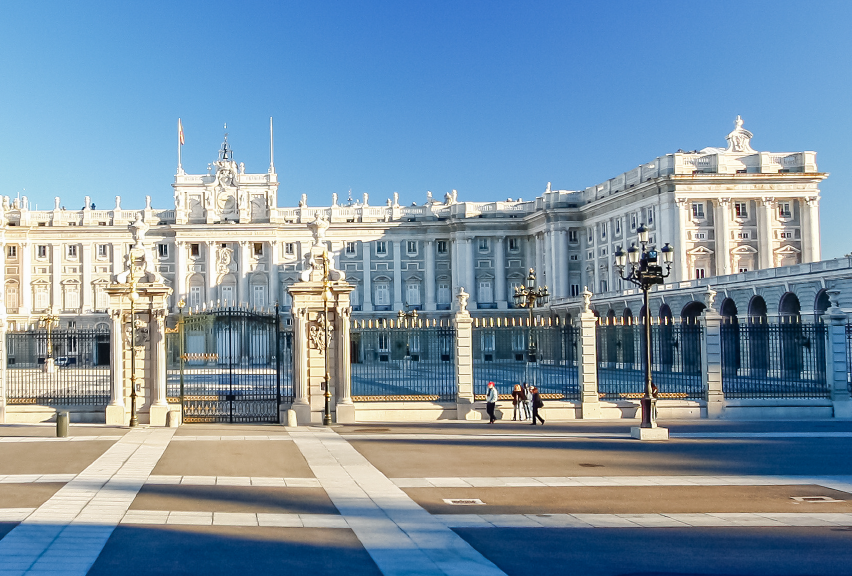
Check out the largest palace in Western Europe, the Palacio Real. The official residence of King Felipe VI (although he doesn’t actually live there), the palace is mostly used for state ceremonies.
After a busy first day, you’ll definitely be ready for some delicious Spanish food. We can book you a meal in a local restaurant, or you can choose to dine at your hotel if you’d rather get some rest before the real exploring begins.
Day 2 – Guided tours and gastronomic delights
Day 2 is all about getting your bearings and enjoying a taste of what Madrid has to offer.
Suggested plan:
- Breakfast at the accommodation
- Guided walking tour of Madrid (or Race for Time activity trail)
- Visit to the Mercado San Miguel for free time to buy and eat lunch
- Guided visit of Las Ventas Bullring
- Free time for shopping at El Corte Inglés
- Evening meal at a local restaurant (or at your accommodation)
Today can either start with a guided walking tour or with a self-led activity trail.
The guided walking tour is a great option if you’d like to be shown around by a local. Typically lasting 3 hours, this tour takes in all the city’s highlights, ensuring you get your bearings and learn about Madrid’s history and culture first-hand. Tours can be conducted in Spanish or English (whichever is right for your group).
The Race for Time activity trail is a brilliant way to ensure that your students are fully engaged with their surroundings as you explore the city and get your bearings. In teams, they’ll complete challenges at various sites of interest around the city (the trail visits Plaza Mayor, Mercado de San Miguel, Plaza de la Villa, Plaza de Oriente and Plaza de Isabel II). You’ll usually need around 2 hours to complete this activity.
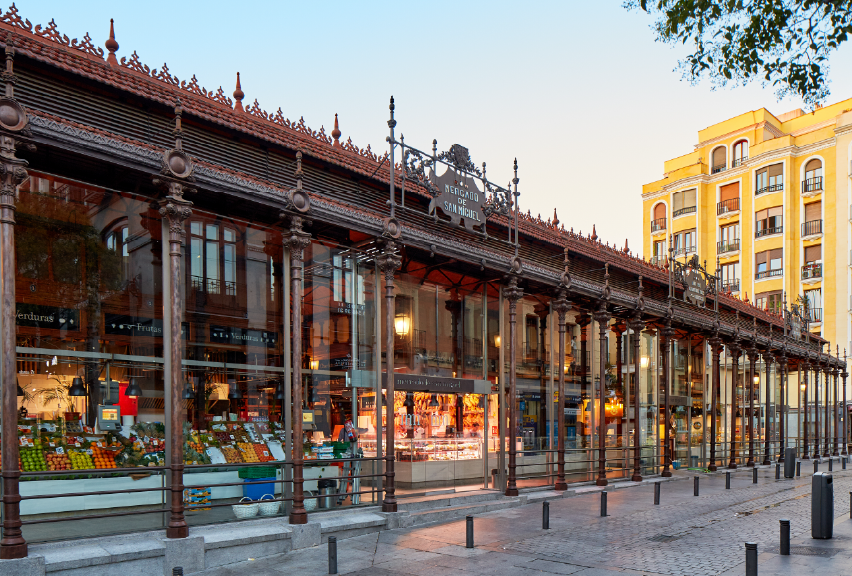
Once you’ve finished your tour or completed the trail, you’ll have the chance to visit the Mercado San Miguel, where you’ll have some free time to explore and to grab some lunch.
And what a treat lunch here is. One of Europe’s leading gastronomic markets, you’ll find over 40 food stands serving some of the best tapas, meats, fish and cheeses from all over Spain.
Next up is a guided tour of Las Ventas, the city’s bullring. Bullfighting is (of course) incredibly controversial, but it’s also a unique element of Spanish culture. Your guide will show you the key sites within Spain’s largest bullring, take you through its turbulent history, and explain to your students the part it plays in Spanish culture.
Afterwards, head over to the always popular El Corte Inglés for a spot of retail therapy before it’s time for dinner.
Day 3 – Diving into culture
Day 3 is packed full of cultural experiences your students will never forget.
Suggested plan:
- Breakfast at the accommodation
- Cookery lesson
- Free time to buy and eat lunch
- Flamenco lesson and mini show
- Visit to the Reina Sofia
- Evening meal at a local restaurant (or at the accommodation)
You’ll start the day with a 2-hour cookery lesson, where you could learn to prepare tortilla de patatas, paella or tarta de Santiago.
Madrid is the perfect place to explore Spanish cuisine in this way. As the capital, the gastronomic scene here boasts influences from all over the country.
After testing out your cookery skills, you’ll have a bit of free time to buy and eat lunch before it’s time for a flamenco lesson.
Flamenco originates from Andalusia, but it has become a celebrated symbol of national culture (and getting the chance to learn a few steps in Madrid will be an unforgettable experience for your group). At the end of your lesson, the professionals will perform a private show, so you can really experience the power of this emotive dance.
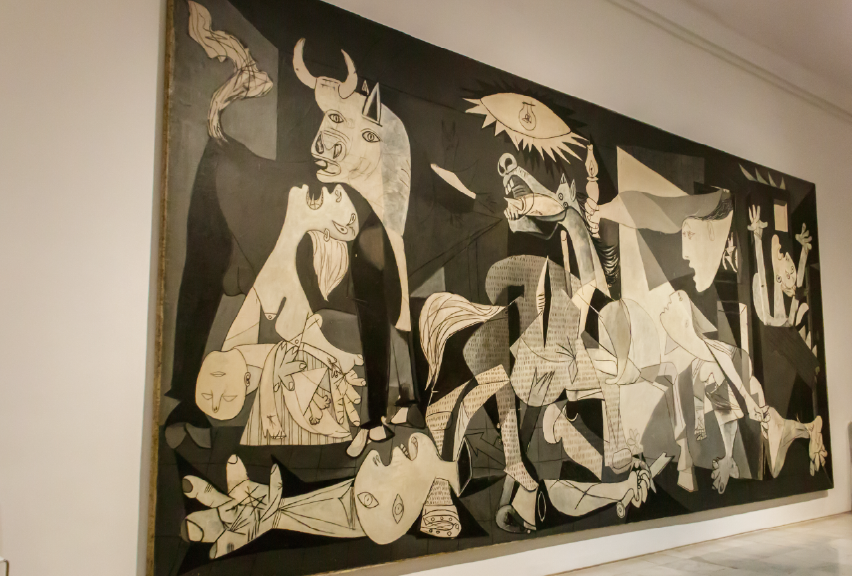
Now, you can’t visit Madrid without taking the time to explore its incredible art. Madrid is one of the world’s most important centres for art – the ‘Golden Triangle’ of the Reina Sofia, the Prado and the Thyssen-Bornemisza is a UNESCO World Heritage Site.
The Reina Sofia is a great option for school groups, as it houses some of the finest examples of 20th Century Spanish art, including Picasso’s anti-war masterpiece, Guernica, and an impressive collection of works by Salvador Dalí. If you’re more interested in historic art (i.e. from the 12th to the 20th centuries), you might prefer to visit the Prado Museum.
Day 4 – Enjoy some peaceful moments in the park before flying home
Day 4 will mostly consist of travelling home, but you should have time to explore Buen Retiro Park first.
Suggested plan:
- Breakfast at the accommodation
- Free time to explore Buen Retiro Park
- Transfer to the airport
- Flight from Madrid to the UK
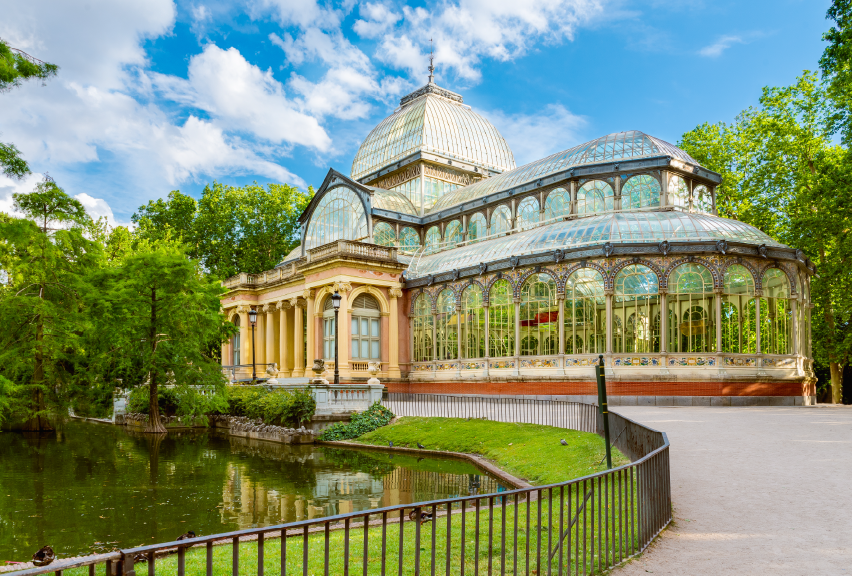
Before heading back to the UK, you’ll have some time to explore Buen Retiro Park. The most popular park in central Madrid, locals flock here in the summer to take advantage of the shady groves and cool fountains.
There’s plenty to explore here, from 18th-century statues of Spanish kings to the impressive Crystal Palace (built for the 1887 Philippine Islands Exhibitions to display flowers from the islands).
After a (hopefully) relaxing final morning in the city, you’ll head to the airport ready to return home full of incredible memories and lasting impressions of Spain and the Spanish culture.
Halsbury Team Tips
- Madrid is a really green city. Spending time in one of Madrid’s many beautiful parks is both free and high on our recommendations. Buen Retiro Park in particular has plenty of things to see and do, and is close to many of the city’s other attractions (so it’s great for a breather after some sightseeing).
- A visit to the Mercado San Miguel is technically free, as there’s no fee to enter (but whether you can resist the delicious food on display is another matter entirely – we know we couldn’t).
- If you’re in Madrid on a Sunday or public holiday, you could visit El Rastro flea market. The most popular in the country, it’s centred around Plaza de Cascorro, but we recommend checking out the side streets, as that’s where you’ll find the hidden gems.
- Madrid is busy capital city that’s popular with tourists. We always recommend trying to visit during term time where possible, as you’ll find fewer crowds (which makes navigating the city as a group a bit easier).
- A tour of 4 days and 3 nights tends to strike the right balance between having enough time to really explore the city and soak up the culture, without having too much time off timetable.
Ready to start planning your next trip?
A 4-day trip gives your students time to explore the city, taste Spanish culture and experience the language beyond the classroom.
They’ll wander through historic squares. They’ll try local food. They’ll discover Picasso, Dalí and flamenco. They’ll see how the traditional and modern sit side-by-side in one bold, brilliant capital.
For teachers, Madrid is practical too. It’s easy to navigate, packed with educational visits and flexible enough to suit different subjects, budgets and group needs. Whether you want a Spanish language focus, an art-packed itinerary or a broader cultural experience, we’ll help you build a trip that works for your students (and takes the pressure off your team).
If you’re ready to start planning your next school trip to Madrid, request a quote today and we’ll help you shape an itinerary that inspires your students, supports your learning objectives and keeps the whole trip running smoothly from start to finish.
Alternatively, take a look at our other school trip destinations in Spain.


