

One day, your students are standing on the Great Wall. The next, they’re watching the skyline glitter from the Bund in Shanghai. In between, they’re tasting dumplings in Xi’an, riding rickshaws through Beijing’s hutongs, learning the symbolism of Peking Opera masks and seeing the Terracotta Warriors up close.
It’s immersive. It’s exciting. And, as you already know, those are the moments students remember long after the worksheets have been filed away.
China is becoming increasingly popular with our school groups, both as a cultural tour and as a powerful way to support Mandarin learning. It also works beautifully for history, geography, food and nutrition, science and technology, business studies and wider enrichment.
Our School Travel Advisers, Gayle and Lou, recently returned from their trip to Beijing, Xi’an and Shanghai. Their verdict? China still has the wow factor of other long-haul Asian destinations, but it’s also surprisingly affordable once you’re there. Food, drinks and souvenirs are generally low-cost, the transport works well for groups, and the range of experiences is exceptional.
So, what could a school trip to China actually look like? Here’s our suggested 11-day itinerary.
Example 11-Day Itinerary for a School Group Visiting China
This itinerary is designed to give students a powerful introduction to China’s past, present and future. It includes Beijing, Xi’an and Shanghai, with bullet train journeys between cities to keep the pace smooth and practical.
It’s ideal for groups looking for a rich cultural tour, a Mandarin-focused itinerary or a cross-curricular experience.
Day 1: Travel to China
Day 1 is all about beginning the adventure and getting your group safely on their way to Beijing.
Suggested plan:
- Fly from the UK to Beijing
- Meet your group at the airport
- Check documents and luggage
- Settle in for the flight
This is the practical start to a big journey. Your group will fly from the UK to Beijing, usually on either a direct or indirect service, depending on your dates, budget and airport preferences.
As with any long-haul trip, the key is preparation. Passports, medication, hand luggage, snacks, group lists and emergency contacts all need to be checked before departure. You already know that. But this is also where the excitement starts to build.
By the time students board, China is no longer an abstract place on a map. It’s tomorrow’s destination.
Day 2: Step Back in Time in Beijing
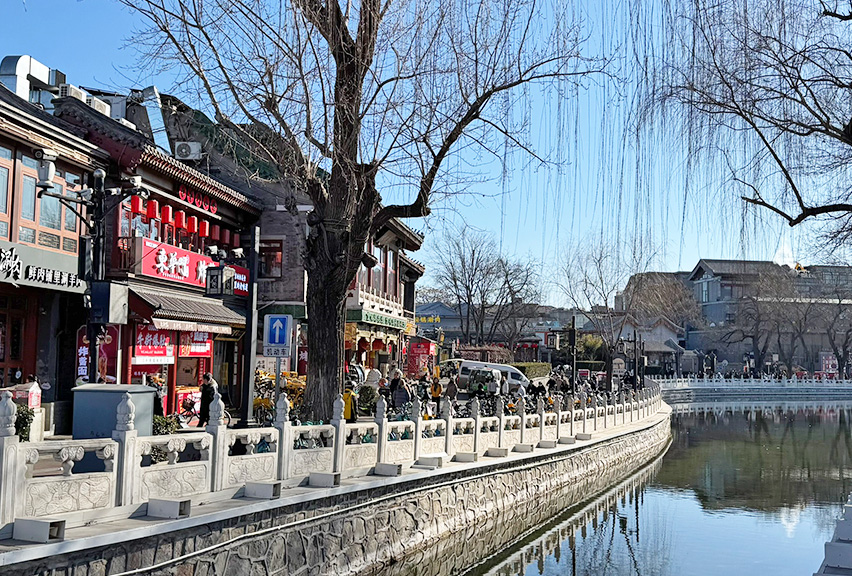
Day 2 introduces students to Beijing through one of the city’s most characterful neighbourhood experiences: a rickshaw ride through a hutong area.
Suggested plan:
- Arrive in Beijing
- Meet your local guide and driver
- Transfer into the city
- Enjoy a rickshaw ride through a hutong neighbourhood
- Spend a little free time exploring the local area on foot
- Check into your hotel
After arriving in Beijing, your group will be met by a local guide and driver. That support is key to the trip's success, as it means you won’t be left trying to navigate a major world city while also managing tired students and luggage.
Once you’ve dropped off your bags and had a chance to freshen up, you’ll ease into the itinerary with a rickshaw ride through one of Beijing’s historic hutong neighbourhoods.
Hutongs are traditional residential lanes lined with courtyard houses. They offer a more intimate view of Beijing, away from the vast squares, imperial monuments and modern boulevards. Students can see everyday life unfolding around them: small shops, restaurants, local residents, bicycles, street food, doorways, courtyards and quiet corners of the city.
Gayle and Lou found this a great experience for school groups. The ride itself lasts 20-25 minutes, with two passengers per rickshaw and no real group-size restriction. It’s fun, accessible and wonderfully atmospheric.
The ride usually finishes around the Houhai or Qianhai area, close to the lakes and bridges. This is a lovely place to build in some free time, so students can stretch their legs, take photos and begin to absorb the rhythm of Beijing.
Day 3: Explore Imperial Beijing
Day 3 is all about Beijing’s imperial, spiritual and cultural heritage, finishing with a high-energy acrobatic show.
Suggested plan:
- Explore the Forbidden City
- Visit the Lama Temple
- Take part in a traditional Chinese tea ceremony
- Watch an acrobatic show in the evening
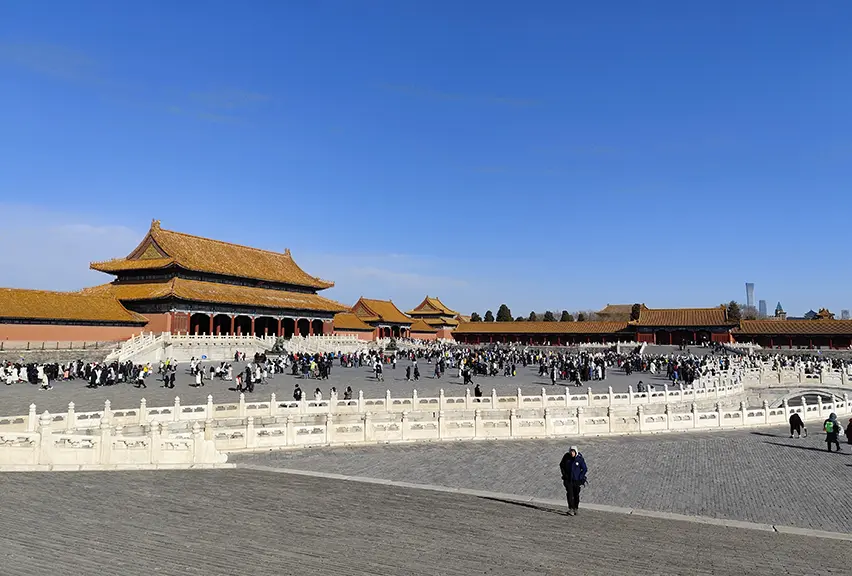
Start the day at the Forbidden City, one of Beijing’s most famous landmarks and a powerful introduction to China’s imperial past.
This vast palace complex was the political and ceremonial heart of China for centuries. It’s huge, so groups should expect a proper visit, rather than a quick photo stop. You’ll walk through a series of gates, courtyards and halls, with opportunities to discuss imperial power, architecture, symbolism, court life and how public space can be used to project authority.
As you walk through the complex towards its centre, you’ll see the layers that the buildings and gates create. The Imperial Palace has seen 24 emperors since its completion in 1420. It’s divided into a southern section housing the administration buildings and a northern section, which is the living quarters of the emperor and his family.
The first sections feel very grand and open, but the complex becomes a maze as you venture further in. This complex has no real greenery and feels much more formal. The palace does house the Imperial Garden, which is beautiful and a lovely end to the tour.
Gayle and Lou felt that a minimum 2-hour visit is sensible, and comfortable shoes are essential. Students with mobility needs may find some areas challenging, so this is worth discussing with us during planning.
Next, visit the Lama Temple, Beijing’s largest and most important Tibetan Buddhist temple. Originally built in 1694, the site later became a monastery and remains one of the great centres of Buddhism outside of Tibet. It gives students a different lens through which to understand Chinese history, faith, architecture and cultural exchange.
After that, it’s time to get into something more interactive with a traditional tea ceremony.
This is one of those experiences that works beautifully for school groups. Students can sit in private tasting while a tea master prepares several varieties of Chinese tea, such as oolong, ginseng and pu’er tea. They’ll learn how tea is prepared, presented and shared, and why it has held such cultural significance in China for over a thousand years.
And watch out for the ‘peeing boy’ tea pet, which is a small surprise (and a guaranteed talking point).
In the evening, bring the day to a thrilling close with an acrobatic show. Expert music, moving screens, balancing acts, diabolo, gymnastics, juggling, cycling and the famous motorcycle ‘wall of death’. The show usually lasts around 60 minutes and gives students a dazzling example of performance, discipline and physical storytelling.
After a day of palaces, temples, tea and theatre, they’ll have plenty to talk about.
Day 4: Climb the Great Wall of China
Day 4 is a true bucket-list day: students climb the Great Wall of China before taking part in a Peking Opera mask-painting workshop.
Suggested plan:
- Travel by coach to the Juyongguan section of the Great Wall
- Climb part of the Wall with your guide
- Return to Beijing
- Take part in a Peking Opera mask-painting workshop
This is the day students will be waiting for.
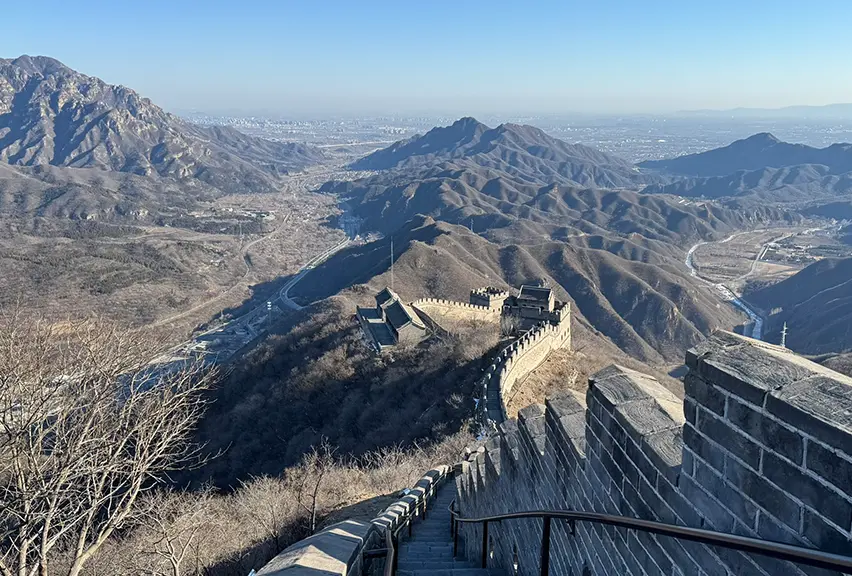
The Juyongguan section of the Great Wall is a striking, fortress-like section within reach of Beijing. It’s practical for school groups because the entrance is close to the coach parking area, toilets and shops. But it’s still a proper climb.
Gayle and Lou described the route from Fortress 7 to 12 as steep and uneven. It feels like a climb rather than a stroll, with handrails available for much of the way. Students will need good walking shoes, water and light bags. Teachers should know that this section isn’t suitable for anyone with mobility issues.
But the reward is immense.
As students climb, they’ll see the Wall snaking across the mountains. It’s one thing to study the Great Wall in the classroom. It’s another to feel the stone under your feet, look across the ridgeline and understand the scale of what was built.
For some groups, the Mutianyu section may be a better alternative. It’s further away and takes up more of the day, but the ascent can be made by chairlift, with the option to descend by toboggan. We’ll help you choose the most suitable section for your students.
Back in Beijing, continue the cultural learning with a Peking Opera mask-painting workshop.
Peking Opera combines music, vocal performance, mime, martial arts, dance and acrobatics. The masks, known as Lian Pu, are full of symbolic meaning. Students can learn how colours are used to communicate a character’s personality, role and fate. Red often represents loyalty and bravery. White suggests treachery or cruelty. Black can signal boldness or selflessness.
It’s creative, colourful and brilliantly accessible. Students won’t just learn about symbolism, they’ll paint it.
Day 5: Travel to Xi’an and Meet the Terracotta Warriors
Day 5 takes your group from Beijing to Xi’an by bullet train, before one of the most iconic archaeological visits in the world: the Terracotta Warriors.
Suggested plan:
- Take the bullet train from Beijing to Xi’an
- Visit the Terracotta Warriors
- Explore the nearby visitor area
- Watch the fountain light show at the Great Wild Goose Pagoda
The bullet train is part of the experience.
Gayle and Lou found it smooth, spacious and well-suited to school groups. Students have more legroom than they might expect from UK trains, and stations are well organised. Your guide will make sure the group knows which exit to use and where to meet the coach on arrival.
Then comes Xi’an.
Many school groups don’t initially think to include Xi’an in a China itinerary, but we strongly recommend it. This former capital adds huge historical and cultural depth to the trip. It’s also home to one of China’s most extraordinary sites: the Terracotta Warriors.
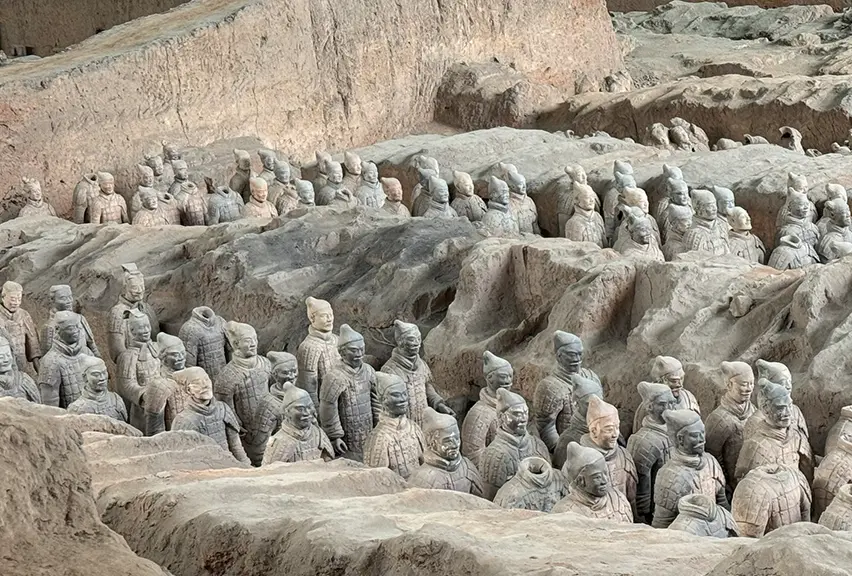
The Terracotta Army forms part of the Emperor Qinshihuang's (the first Emperor of China) Mausoleum Site Museum. The warriors were created to protect him in the afterlife and include soldiers of different ranks, horses and chariots. Students can look at uniforms, hairstyles and details that reveal status, role and craftsmanship.
There are so many teaching angles here: imperial ambition, belief in the afterlife, archaeology, conservation, power, craft, warfare and discovery.
Gayle and Lou noted that the site gets really busy, so groups should be prepared for crowds. Passports are needed at the gates, and a 2-3 hour visit is ideal. The nearby entertainment village or visitor complex can work well for a meal or some extra exploration before or after the museum.
In the evening, head to the northern square of the Great Wild Goose Pagoda for the fountain light show. It’s short, free and magical, with water, lights and music creating a memorable end to the day.
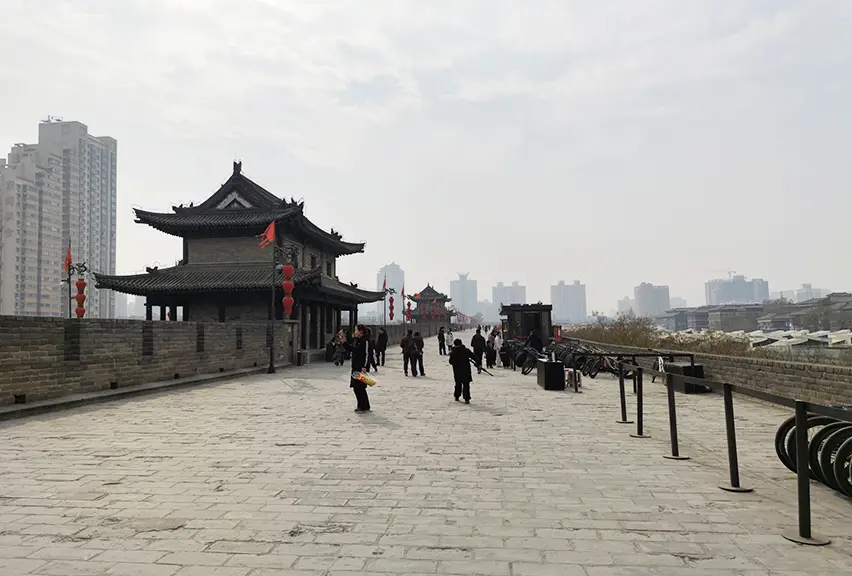
Day 6: Discover Xi’an’s Walls, Food and Golden-Age Culture
Day 6 brings together hot springs, city views, street food and performance, giving students a deeper feel for Xi’an’s place in Chinese history.
Suggested plan:
- Visit Huaqing Hot Spring Park
- Walk or cycle along Xi’an’s Ancient City Wall
- Explore the Muslim Quarter
- Enjoy a Tang Dynasty Show
Start the day at Huaqing Hot Spring Park, at the northern foot of Mount Li. The site is known for its natural geothermal springs and long imperial history, with links stretching back almost three millennia.
During the Tang Dynasty, Huaqing was a favoured retreat for emperors and concubines. That makes it a useful stop for exploring leisure, power, landscape and the relationship between rulers and place.
Next, head to Xi’an’s Ancient City Wall.
This is one of the best ways to see the city from above. Groups can walk or cycle along the wall, depending on group size, student confidence and the pace of your itinerary. The full wall forms a rectangle around the old city, but for school groups it’s usually best to travel from one gate to another, rather than attempt the whole circuit.
Gayle and Lou found cycling the wall great fun. It’s active, memorable and gives students a sense of Xi’an’s scale and layout. Passports are usually needed, helmets are available (but not compulsory), and the only way up is by steps (so accessibility may need to be considered).
Later, enter the Muslim Quarter.
This pedestrianised area is a vivid, sensory experience. Music, smells, sizzling food, colourful signs, shops, tastings and crowds all come together in a way students will love. It’s a fantastic place to explore Chinese Muslim culture, regional identity and the role of trade and migration in shaping cities.
It can also work well before a dumpling dinner nearby. Xi’an is one of the best places on the itinerary for food, so encourage students to notice the regional differences. China isn’t one single flavour. It’s many.
End the day with a Tang Dynasty show.
The Tang Dynasty is often described as a golden age of Chinese civilisation, known for cosmopolitan culture, artistic flourishing, poetry, painting and international influence. Xi’an (then known as Chang’an) was the capital. The show brings that world to life through music, dance and costume.
It’s a powerful way to help students feel the glamour, confidence and cultural reach of the period.
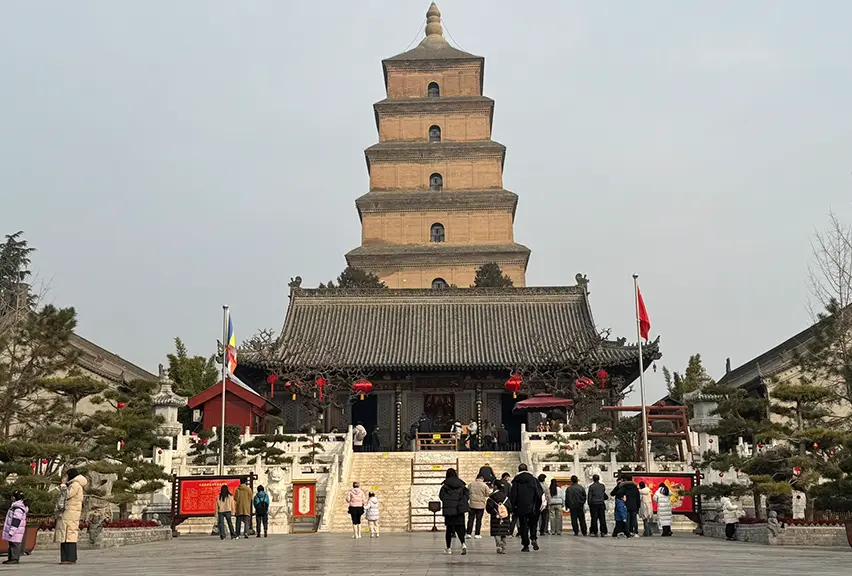
Day 7: Visit the Great Wild Goose Pagoda and Travel to Shanghai
Day 7 gives students one final cultural experience in Xi’an before they travel by bullet train to Shanghai.
Suggested plan:
- Visit the Great Wild Goose Pagoda
- Take part in a Chinese cookery class
- Board the bullet train to Shanghai
- Arrive and check in
Begin at the Great Wild Goose Pagoda, one of Xi’an’s most important Buddhist sites.
The wider complex includes temples, prayer spaces, bell and drum towers, incense and red prayer cards hung by monks along the walkways. Students can see how faith, ritual and architecture continue to shape daily life.
There may be the option to climb the pagoda itself, although this is a paid extra and involves seven flights of stairs (so won’t suit every group).
Next, get hands-on with a Chinese cookery class. This is a brilliant way to bring food and nutrition, culture and practical learning together. Students can learn about ingredients, preparation, methods and regional food traditions, then try creating something themselves. It’s also a useful pause in a busy itinerary: sociable, structured and delicious.
Later, board the bullet train to Shanghai.
This transition is one of the great strengths of this itinerary. Students have already explored Beijing’s imperial sites and Xi’an’s ancient capital heritage. Now they move towards Shanghai, a city of towers, trade, technology and global ambition.
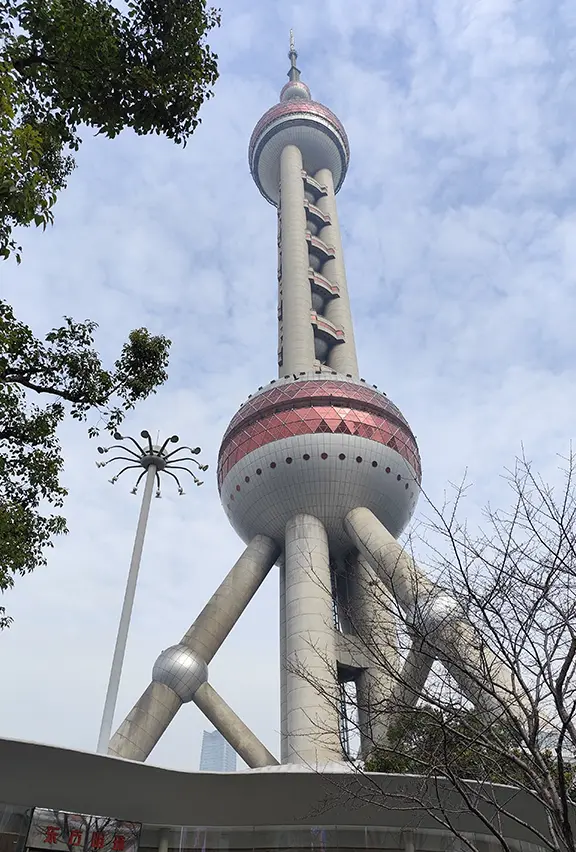
Day 8: See Shanghai from Above (Then from the Water)
Day 8 is all about Shanghai’s skyline, garden heritage and futuristic energy.
Suggested plan:
- Visit the Oriental Pearl TV Tower
- Explore Yu Garden and Old Shanghai
- Walk along the Bund
- Take an evening Huangpu River cruise
Start with the Oriental Pearl TV Tower.
Gayle and Lou described this experience as probably the most worthwhile visit in Shanghai. From the observation levels, students can see the city spreading out beneath them, with information panels helping them identify key buildings and understand the skyline.
There’s also a transparent floor level, which is always a hit with students. It’s brave-feet territory.
Other levels include multimedia experiences about Shanghai’s future, plus optional extras such as a 5D cinema or VR coaster. A 2-3 hour visit works well, and the tower is generally accessible (although lifts can be cramped).
Then move from modern heights to traditional design at Yu Garden and Old Shanghai.
Yu Garden sits within a busy urban area, offering a beautiful contrast of pavilions, rockeries, water and planting. It’s a chance to discuss design, symbolism, urban space and how a garden can create calm in the middle of a city.
The gardens cover around 5 acres and offer a peaceful escape from the hustle and bustle of the surrounding city. The garden was completed in 1577 by a government official and is a great example of a traditional Chinese garden with its rockery and koi ponds.
Old Shanghai surrounds the garden with traditional-style streets, shops and food outlets. It’s worth allowing time here, as students can explore, take photos and compare this atmosphere with the glass-and-steel skyline they saw earlier.
In the evening, head to the Bund and board a Huangpu River cruise.
This is Shanghai at its most cinematic. On the West bank, you’ll see the old buildings of the Bund, where Shanghai’s fortune was built. The foreign banks, consulates and newspaper buildings are a beautiful contrast to the modern skyscrapers of Pudong on the East bank (which is now China’s financial and commercial hub). The cruise usually lasts around 45 minutes and is best at night, when the city glows.
It’s also a superb moment for students to think about development, globalisation, trade and urban change.
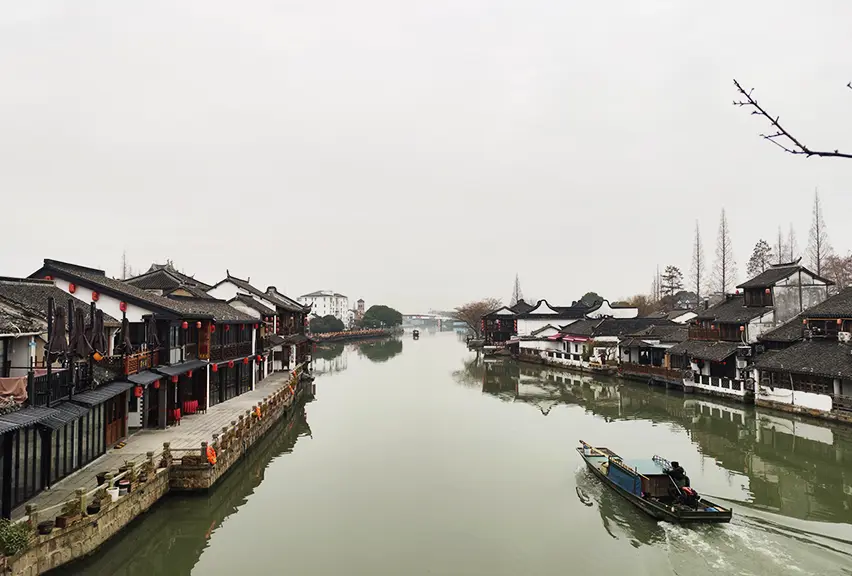
Day 9: Choose Your Shanghai Adventure
Day 9 gives you a choice: a full day at Shanghai Disney Resort or a cultural itinerary exploring Zhujiajiao Water Town, the Jade Buddha Temple and Tianzifang.
Suggested plan – option 1:
- Spend the day at Shanghai Disneyland
- Enjoy the rides, themed lands and parade route
- Return to your hotel in the evening
Suggested plan – option 2:
- Visit Zhujiajiao Water Town
- Explore the Jade Buddha Temple
- Wander through Tianzifang
- Pair with Xintiandi if time allows
For some groups, Shanghai Disney Resort is the perfect final full-day experience.
It’s close to Shanghai Airport and works well as a full-day visit. The park has the tallest and largest Disney castle ever built, the first Zootopia land, a technically impressive Pirates of the Caribbean and the Tron Lightcycle Power Run, which first appeared here before opening at Magic Kingdom in Florida.
For students, it’s fun. For teachers, it can be a motivational finale after a packed cultural itinerary.
But if you’d prefer to keep the day more cultural, there’s a strong alternative.
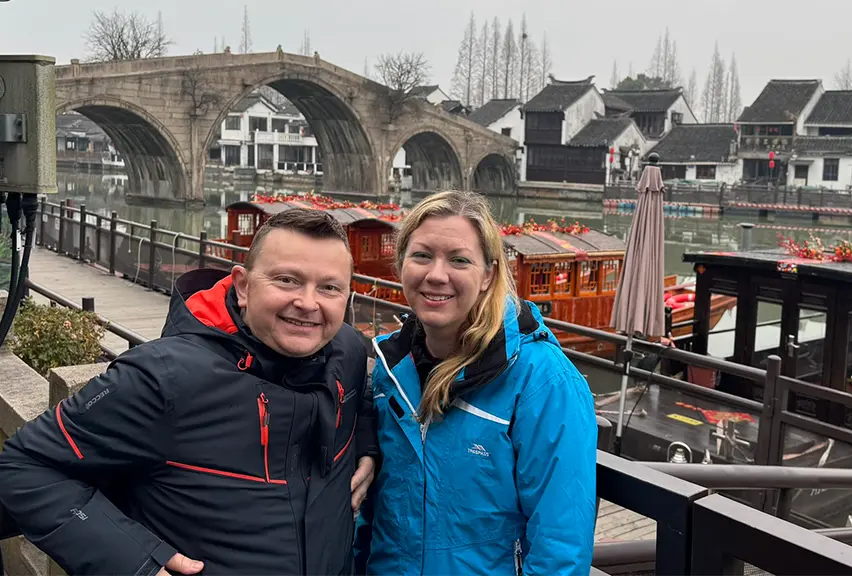
Travel around 60 minutes from Shanghai to Zhujiajiao Water Town. This historic town, established around 1,700 years ago, is known for its cobbled streets, canals, bridges and traditional architecture. Water towns are a distinctive part of Chinese heritage, and Zhujiajiao offers students a gentler, more traditional counterpoint to central Shanghai.
It’s best visited later in the day, rather than too early, as shops and cafes don’t won’t yet be open. Some areas are less accessible due to stepped bridges.
Back in Shanghai, visit the Jade Buddha Temple. This Buddhist temple houses two jade Buddha statues and works well as a short cultural visit, particularly for groups that are only visiting Shanghai or want another faith-focused experience.
Then explore Tianzifang, a network of narrow lanes and alleyways known for Shikumen stone-gate houses, small craft stores, cafes and art studios. The area developed from a traditional residential neighbourhood in Shanghai’s former French Concession, which gives students another angle on the city’s layered history.
Tianzifang can also be paired with Xintiandi, a stylish nearby area that offers another view of how Shanghai blends heritage and modern retail culture.
This day lets you choose the rhythm that’s right for your group: high-energy theme park, or canals, temples and creative lanes.
Day 10: Depart Shanghai
Day 10 is your departure day, with time to pack, transfer and begin the journey home.
Suggested plan:
- Check out of your hotel
- Transfer to the airport
- Depart Shanghai
- Fly overnight to the UK
After an itinerary this full, the final day is about keeping things calm and well organised.
Your guide and driver will support the airport transfer, helping the group move from the hotel to check-in. This is one of the reasons China works so well for school groups. Teachers have professional support on the ground, so you’re not trying to solve every logistical detail alone.
Students leave with souvenirs, photos, new phrases, fresh perspectives and a far greater sense of the world.
That’s the point.
Day 11: Arrive back in the UK
Day 11 brings your group back to the UK after an unforgettable trip.
Suggested plan:
- Arrive back in the UK
- Clear immigration and collect luggage
- Meet parents or continue by coach back to school
- Start sharing stories, photos and learning outcomes
The trip doesn’t really end when the plane lands.
Back in school, students can reflect on what they’ve seen: the contrast between old and new China, the role of language and culture, the scale of urban development, the variety of regional food, the meaning of heritage and the lived experience of travelling through three extraordinary cities.
They’ve heard the language in context. They’ve stood inside imperial palaces and archaeological sites. They’ve watched megacities in motion.
They’ve had the chance to see China with their own eyes.
Halsbury Team Tips
Gayle and Lou came back with practical insights that can help teachers shape the strongest possible trip to China.
Where should we go?
Many schools start by thinking about Beijing and Shanghai, and that can work well for a shorter itinerary. But Xi’an adds something special.
It brings the Terracotta Warriors, the Ancient City Wall, the Muslim Quarter, the Great Wild Goose Pagoda and Tang Dynasty culture into the trip. It also gives students a clearer sense of China’s historical depth and regional variety.
Gayle and Lou described Xi’an as a delightful surprise. And for students, the cultural capital is huge.
What should we eat?
Food is one of the best ways to help students understand place.
In Beijing, we recommend including a Peking Duck meal. And in Xi’an, make time for dumplings and street food in the Muslim Quarter. Students will quickly see that China’s food culture changes from city to city, and that regional dishes can tell stories about migration, geography, history and identity.
Are there any subject-focused activities we could add to our itinerary?
China works beautifully across subjects, and your itinerary can be tailored around your learning objectives.
Optional subject-focused activities include:
- Mandarin lessons
- Kung Fu lessons
- Peking Opera mask-painting workshop
- Calligraphy workshop
- Chinese cookery class
This is where the trip becomes more than sightseeing. Students get stuck in, listen, make, taste, ask, compare and connect.
When should we visit China?
China can be visited at any time of year, including winter. Gayle and Lou travelled in winter and had gloriously sunny days (although you should be prepared for cold weather).
The main periods to avoid are Spring Festival/Chinese New Year and Golden Week around National Day on 1st October. These are major domestic travel periods, and sites can become extremely busy.
Is there anything we should be aware of before visiting China?
Obviously, there are a lot of cultural differences between China and the UK. We’ve put together a guide to travel etiquette in China to help you prepare your students for their trip.
Start planning your next trip
China is a destination with serious impact.
It gives students scale, spectacle and substance. They’ll climb the Great Wall, stand before the Terracotta Warriors, ride bullet trains, taste regional food, practise Mandarin, explore Buddhist temples, cruise through Shanghai’s neon skyline and see how one country can hold thousands of years of history alongside the world’s most ambitious modern cities.
For teachers, it’s also a practical long-haul option. Costs on the ground are generally affordable, hotels are well suited to school groups, and your itinerary can be shaped around your subject, budget, dates and students.
Whether you’re planning a Mandarin trip, a cultural tour or a cross-curricular adventure, we’ll help you build the right China itinerary for your group. Get a quote today, and let's create a China school trip your students will talk about for years.


Tour Consultant


